
- Get link
- X
- Other Apps
Sleep’s a massive piece of the weight loss puzzle, more than most of us realize. When you’re not sleeping enough, your metabolism slows and those appetite hormones go a bit haywire, making you crave all the wrong foods—especially carbs and fatty stuff.
Low energy from poor sleep? It’s a motivation killer, and suddenly that workout or salad feels like a chore. Simple tweaks—like skipping heavy dinners late at night and getting some movement in the day—can actually help you sleep better, which in turn supports fat loss.
It’s wild how much sleep quality can impact your metabolism and hunger. Once you get this connection, it’s easier to make choices that help your health, not sabotage it.
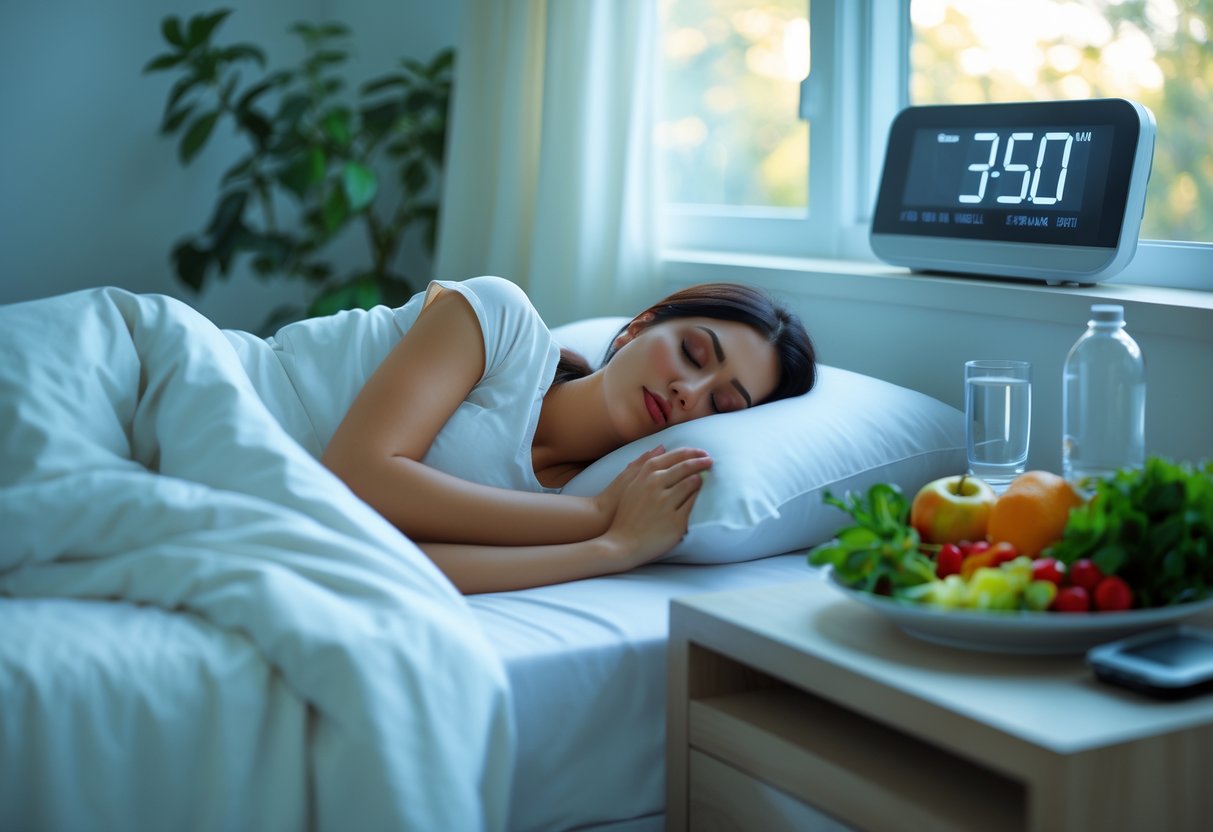
Better rest means your hormones are happier, you’re more likely to hit the gym, and you don’t find yourself reaching for junk as often. Science keeps backing this up: if you want a real shot at sustainable weight loss, fixing your sleep is probably just as important as diet or exercise.
Discover more helpfull ideas. Get Inspired on YouTube!
How Sleep Influences Weight Loss and Metabolism
Your sleep habits shape how your body uses energy and manages hunger. Messy sleep disrupts hormones and slows your metabolism, making weight loss feel like an uphill battle.
Find here our best relaxing, sleepy music.
Impact of Sleep Deprivation on Weight Gain
If you’re not getting enough shut-eye, your body can’t regulate glucose or insulin the way it should. Lower insulin sensitivity means more calories get stored as fat, not burned.
Plus, sleep deprivation ramps up cravings for fatty, carby foods, so late-night snacking becomes way too tempting. High cortisol from bad sleep also nudges your body to stash fat, especially around your belly.
Over time, this cycle can bump up your BMI and raise risks for things like obesity or type 2 diabetes. Not ideal, right?
Role of Sleep Duration and Quality in Metabolic Health

It’s not just about clocking 7–9 hours; the quality matters too. Deep, uninterrupted sleep helps your body burn fat more efficiently and keeps your metabolism humming.
Good sleep improves glucose control and lowers risks for heart and metabolic issues. Even if you eat well and exercise, sleep disorders like apnea can still mess with your metabolism and weight.
Hormonal Regulation: Ghrelin, Leptin, and Appetite Control
Two main hormones—ghrelin and leptin—are basically the puppet masters of your appetite. Ghrelin spikes when you’re sleep-deprived, making you feel hungrier, while leptin drops, so you don’t feel as full.
When these are out of whack, it’s way easier to overeat, especially on junk food. Getting better sleep helps restore this balance, making it easier to keep hunger in check.
Discover more helpfull ideas. Get Inspired on YouTube!
Circadian Rhythms and Weight Regulation
Your circadian rhythm—that internal clock—runs the show for sleep, hormones, and metabolism. Staying up late or having erratic sleep can throw this rhythm off, which isn’t great for your waistline.
When your body clock’s out of sync, you burn less glucose efficiently and store more fat. It can also mess with your cortisol, making cravings worse.
Sticking to regular sleep and wake times helps keep everything running smoothly, supporting better fat burning and appetite control. It’s not magic, but it helps.
Find here our best relaxing, sleepy music.
Practical Strategies to Improve Sleep for Fat Loss and Health
Better sleep isn’t just a nice-to-have—it’s a real tool for metabolism, appetite, and fat loss. Building a routine, tweaking your sleep environment, and syncing sleep with your daily habits can make a difference.
Establishing Healthy Sleep Habits
Try setting a regular bedtime and wake-up time—even on weekends. It sounds boring, but it really does help your body get into a groove.
Skip big meals, coffee, and tough workouts close to bedtime. Your body needs time to wind down, not rev up.
Wind-down routines help, too. Reading, deep breathing, even a little meditation can signal to your body that it’s time to rest.
And yeah, screens are the enemy here. The blue light isn’t doing your sleep any favors, so maybe put the phone away an hour before bed?
Optimizing Sleep Hygiene and Environment
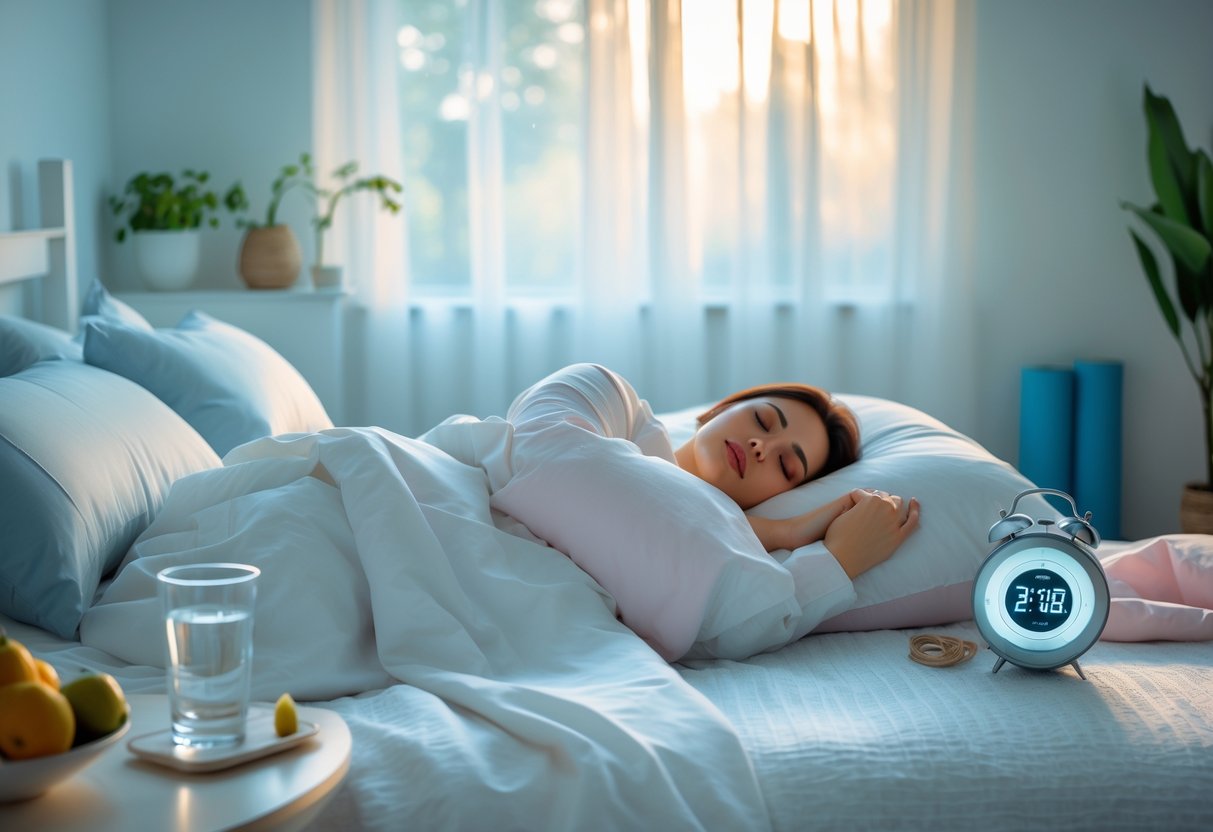
Your bedroom’s vibe matters more than you think. Keep it cool, dark, and quiet—blackout curtains and white noise are game-changers.
Try to use your bed just for sleep. Working or binge-watching in bed? That’ll just confuse your brain.
Invest in decent bedding and pillows. If you’re uncomfortable, you’ll wake up more often, and that ruins good sleep.
Daytime naps can mess with your sleep drive at night, so keep them short or skip them if you’re struggling with nighttime rest.
Getting sunlight during the day helps your circadian rhythm, too. Open those curtains or step outside for a bit—it’s surprisingly helpful.
Relevant Tools and Apps for Better Sleep
There are some handy tools out there if you want to track or improve your sleep. Wearables like Fitbit, Oura Ring, or Apple Watch can monitor your sleep duration and quality. Apps like Sleep Cycle or Calm offer guided meditations, sleep sounds, and gentle wake-up alarms.
For blocking blue light, try glasses like Swanwick or apps like f.lux and Night Shift on your devices. White noise machines or apps (like Noisli or Relax Melodies) can help if you’re easily disturbed by sounds at night.
Integrating Sleep with Nutrition and Physical Activity
Eating nutrient-dense foods can help keep your blood sugar steady. That means fewer late-night cravings sabotaging your sleep, which is always a win.
If you’re tempted by heavy dinners or sugary snacks close to bedtime, maybe rethink it—those choices can make it harder to fall asleep and even mess with hormones that control appetite.
Getting regular physical activity does wonders for sleep quality. Just try not to squeeze in a workout right before bed; it’s usually best to wrap up exercise at least 2-3 hours beforehand so your body can wind down.
Exercise isn’t just about burning calories—it also supports your metabolism and helps with recovery. Both are huge if you’re focused on fat loss or just trying to keep the weight off.
Honestly, it’s all connected. When you balance nutrition and exercise with decent sleep habits, your body’s way more likely to burn fat efficiently and keep your weight in check over the long haul.
Want to track your progress or tweak your habits? Tools like MyFitnessPal (for nutrition), Fitbit or Apple Watch (for activity and sleep tracking), and Headspace (for sleep hygiene tips) can make the process a bit easier—and maybe even a little fun.
Find here our best relaxing, sleepy music.
Comments
Post a Comment