
- Get link
- X
- Other Apps
If you’re thinking about starting home workouts, it’s worth knowing there’s more to it than just convenience and comfort. Home workouts can absolutely rival the gym, but it’s your consistency and focus that really make the difference, not the space you’re in.
Lots of folks assume you need a pile of fancy gear or a pricey gym membership to get anywhere, but honestly, that’s not always the case.
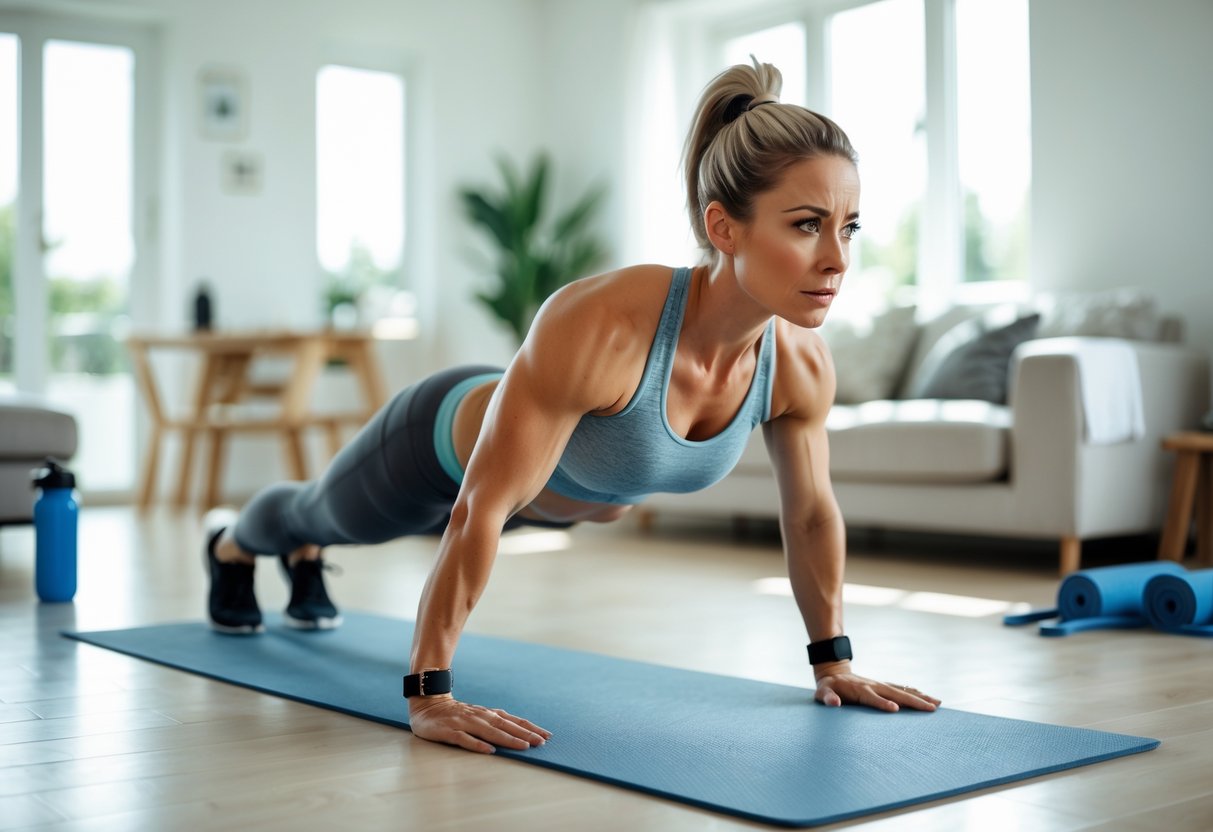
What people rarely mention is that home workouts have their own set of challenges—staying motivated and finding a balanced routine can be tricky. Without trainers or that gym buzz, you’ve got to be more intentional about what you do and how you do it.
Understanding these little realities helps you dodge common pitfalls and actually make progress.
Check the best home workout equipment here!
The Realities of Starting Home Workouts
Jumping into a home workout routine has its perks and its headaches. There are reasons beginners flock to home workouts, but also a handful of myths and unique hurdles that tend to pop up.
Discover more helpfull ideas. Get Inspired on YouTube!
Why Home Workouts Appeal to Beginners
Home workouts pull in a lot of newbies because they’re easy to start—no intimidating machines, no waiting for equipment. You can get going with bodyweight moves like push-ups, squats, and planks, and honestly, that’s enough to build a solid base.
There’s also the convenience factor. No commute, no crowds, and you can squeeze a session in whenever it fits.
Privacy is another plus. If you’re not feeling super confident yet, working out at home lets you skip that awkward “everyone’s watching me” vibe.
And the flexibility? You can keep sessions short—10 or 20 minutes is plenty to get started. That makes sticking with it a whole lot easier, especially on days when motivation is low.
Find here our best relaxing, sleepy music.
Key Principles for Effective Results
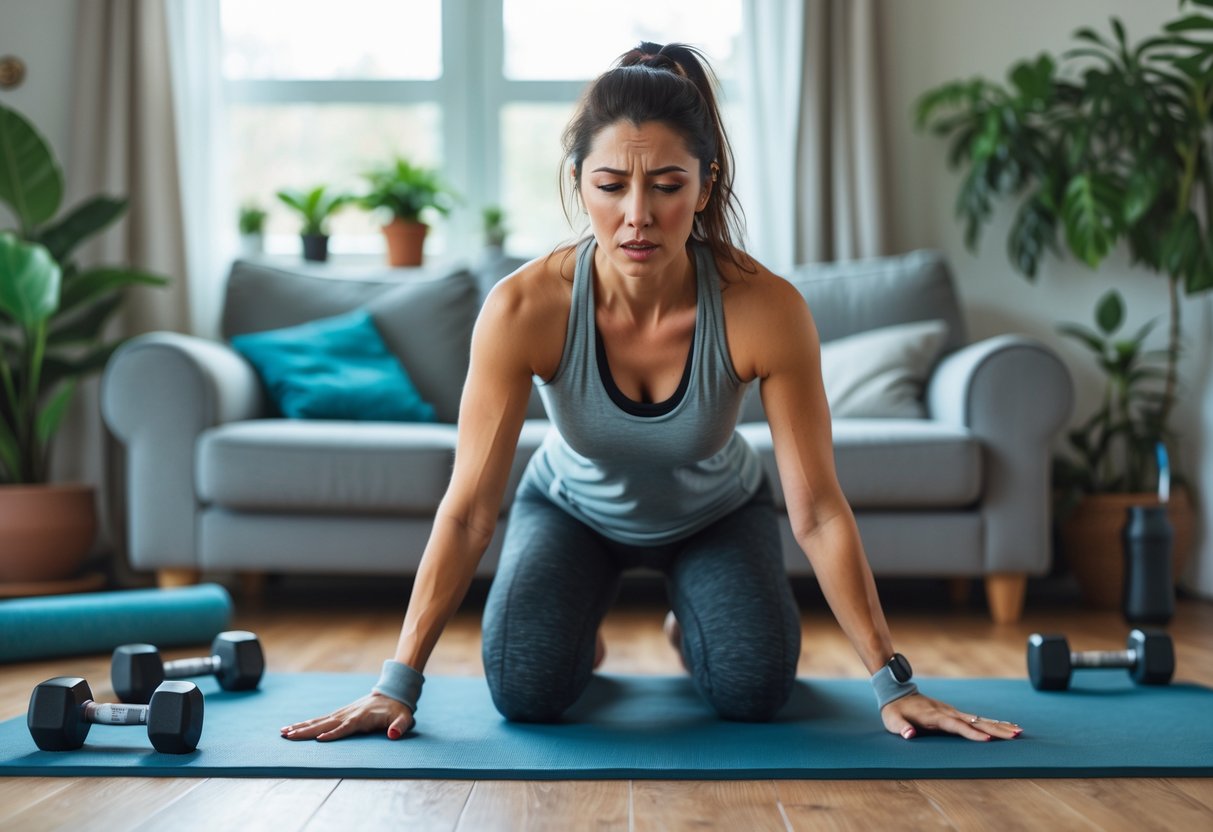
Progress boils down to two big things: consistency and progressive overload. You’ve got to show up regularly and keep nudging up the challenge as your body adapts.
Honestly, form matters way more than cranking out endless reps. Doing five push-ups well beats twenty sloppy ones any day.
It helps to track your workouts—maybe jot down how many reps you managed, or how long you held a plank. Seeing those little improvements feels pretty good.
Mixing in both strength and cardio is smart. You don’t need a home gym, but a couple of resistance bands or dumbbells can make things more interesting if you’re up for it.
Discover more helpfull ideas. Get Inspired on YouTube!
Common Misconceptions and Myths
A big myth is that home workouts can’t build muscle or burn fat like the gym. That’s just not true if you’re following solid training principles and actually challenging yourself.
Some people think you have to work out for hours or obsess over calories. In reality, short, regular sessions plus a balanced diet usually win in the long run.
There’s also this idea that only expensive equipment will get you results. Bodyweight training can be surprisingly tough if you push yourself.
And let’s be honest—motivation comes and goes. Building a habit and sticking to a schedule is what keeps you moving forward, even on blah days.
Find here our best relaxing, sleepy music.
Challenges Unique to Working Out at Home
Distractions are everywhere—family, pets, laundry, you name it. Having a set workout space and blocking off time can really help, though it’s not always perfect.
Yeah, sometimes you’ll wish you had more equipment. But honestly, you can get creative with what you’ve got, or slowly add gear as you go.
Staying accountable is tough without a coach or a workout buddy. Apps, YouTube videos, or online groups can fill that gap if you let them.
And when you’re working out solo, it’s easy to slack off. Setting clear goals and tracking progress gives you a reason to push a little harder.
Essential Components and Execution for Success
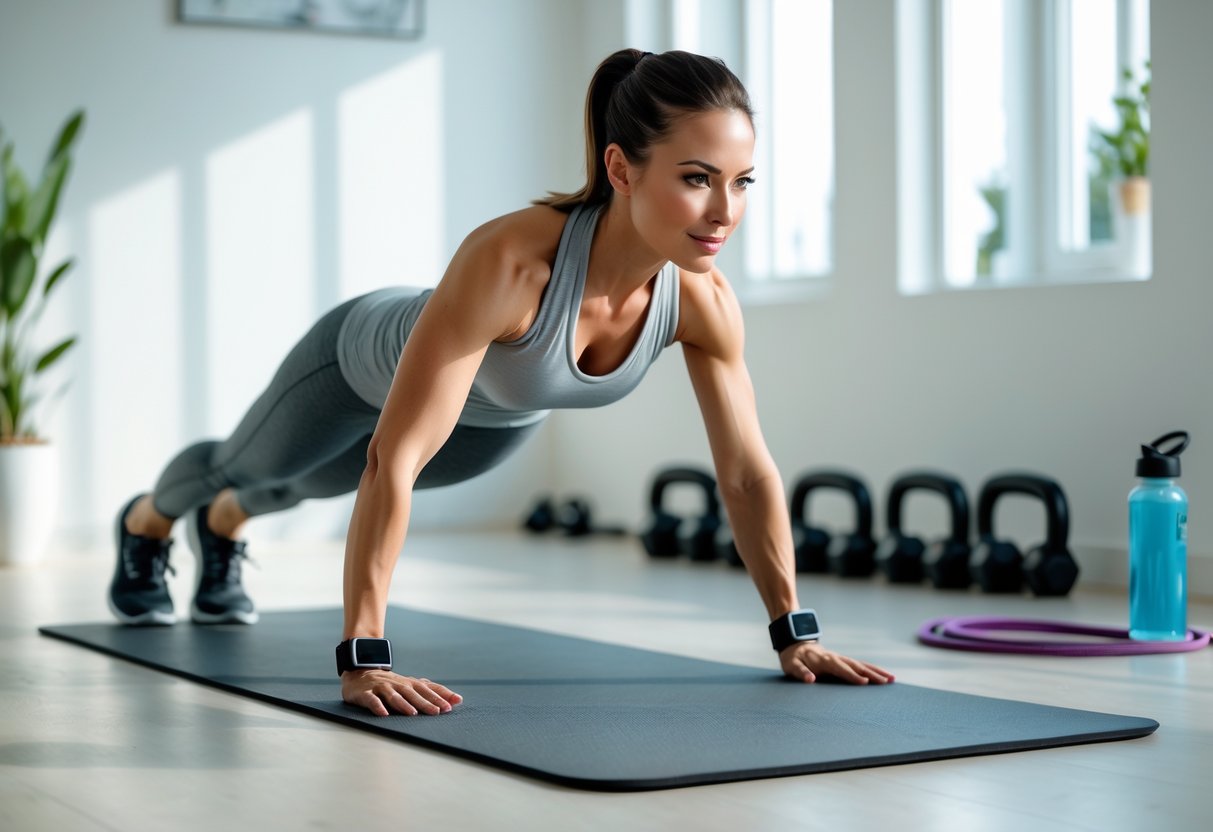
To really get something out of your home workouts, you’ll want to focus on core exercises, smart equipment choices, a well-rounded plan, and—maybe most important—paying attention to safety and recovery.
Check the best home workout equipment here!
Foundational Movements for Home Training
Start simple. Moves like squats, push-ups, planks, lunges, and glute bridges hit a bunch of muscles at once.
These basics help with core strength, balance, and mobility. You can tweak them to match your fitness level—split squats for more challenge, or planks for core stability.
Getting these right early on saves you from injuries later and sets you up for more advanced stuff down the line.
Selecting and Using Home Equipment
Picking equipment depends on your space, budget, and what you actually enjoy. Resistance bands are cheap, easy to store, and super versatile. Dumbbells or kettlebells are great if you want to add some weight.
If you’re aiming for upper body strength, a pull-up bar is a solid investment. Don’t feel like you need everything at once—just start with one or two items and build from there.
Whatever you use, pay attention to your form. It’s way too easy to get sloppy at home and end up sidelined by something silly.
Building a Balanced Workout Plan
A good plan mixes strength, cardio, and flexibility. Maybe you do HIIT a couple times a week, sprinkle in some squats and push-ups, and add stretching or yoga for mobility.
Rest days are non-negotiable—seriously, don’t skip them. Rotate what muscles you work so you’re not burning out one area.
For cardio, you don’t have to run laps in your living room (unless you want to). Dancing or cycling works just as well and keeps things fun.
Mixing things up helps you avoid boredom and keeps your body guessing, which is always a good thing.
| Component | Example Exercises | Frequency |
|---|---|---|
| Strength | Squats, lunges, dumbbell rows | 2-3 times per week |
| Cardio | HIIT, cycling, dancing | 2-3 times per week |
| Flexibility | Stretching, yoga, mobility drills | Daily or as needed |
So, is working out at home the magic bullet? Not exactly—but it’s a solid, flexible option if you’re willing to put in the effort and adapt as you go. The key is to keep things interesting, be honest with yourself about what you need, and remember that progress looks different for everyone. No need to chase perfection—just keep showing up, and you’ll be surprised how far you get.
Safety, Progress Tracking, and Recovery
Safety really is the backbone of making progress and steering clear of injuries. Always warm up before you dive in, and don’t skip the cool down when you’re done.
Pay attention to your form, especially if you’re working with weights or those tricky resistance bands. It’s not just about lifting heavy—it’s about lifting smart.
Want to see real improvement? Jot down your reps, sets, or even just how long you lasted. This way, you can actually see yourself applying progressive overload—that’s the secret sauce for building muscle and burning fat.
And hey, listen to your body. Give yourself permission to rest between sessions. Skipping recovery is a fast track to fatigue, or worse, getting sidelined by injury.
At the end of the day, it’s a balancing act—push yourself, but don’t ignore what your body’s telling you. A little caution now means more gains (and fewer setbacks) later on.
Find here our best relaxing, sleepy music.
Comments
Post a Comment